Principle of Flotation
📚 Key Concepts
🔹 Real-Life Example
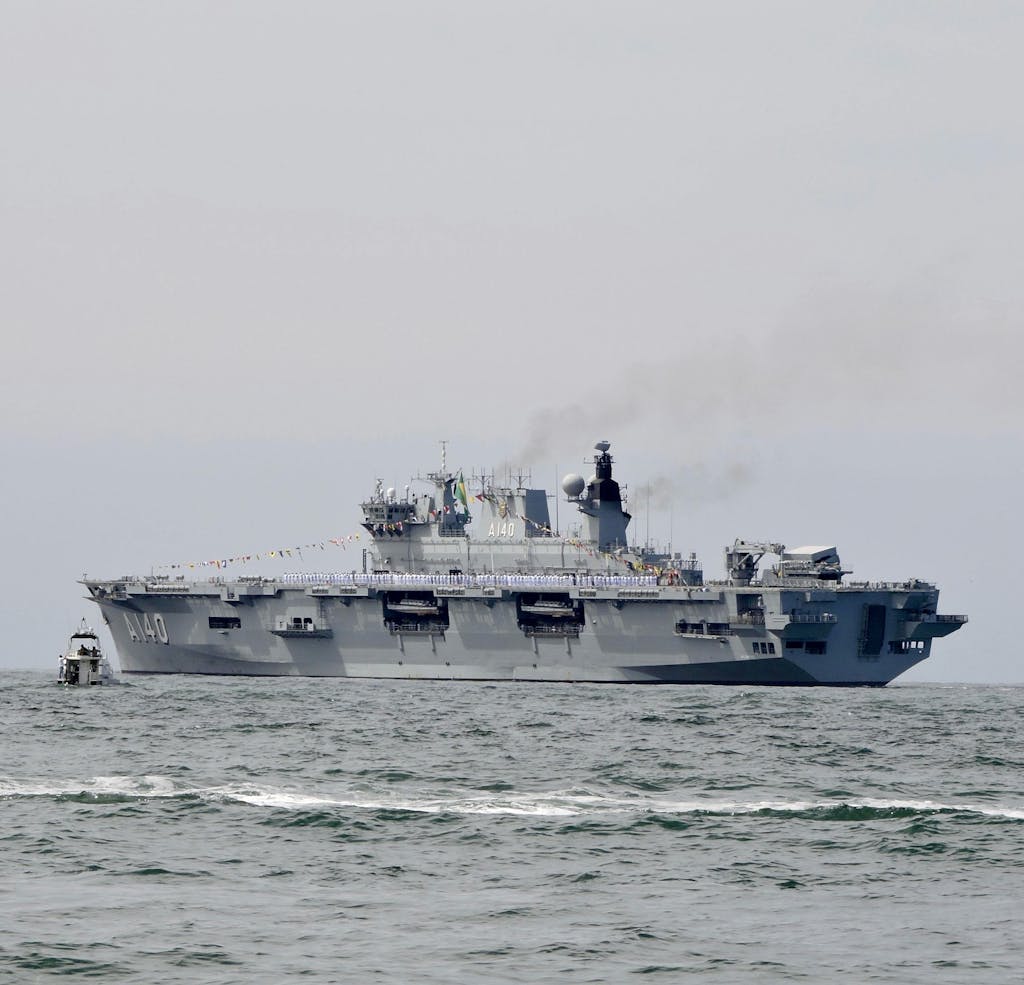
A massive aircraft carrier weighing thousands of tons floats easily on water because its hull is designed to displace a volume of water whose weight equals the ship’s weight. The ship’s interior contains a lot of air, making its average density less than water.
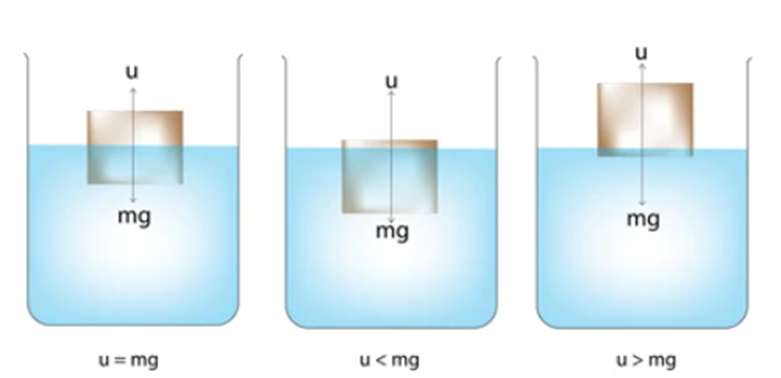
🔹Principle of Flotation: A floating object displaces a volume of fluid whose weight is equal to the weight of the object.
🧪 Important Formulas
🔸 Conditions for Flotation
- Weight of object = Weight of displaced fluid
- Average density of object < Density of fluid
- Center of buoyancy must be above center of gravity
🔸 Mathematical Expression
Weight of object = Weight of displaced fluid
Mobject × g = ρfluid × Vdisplaced × g
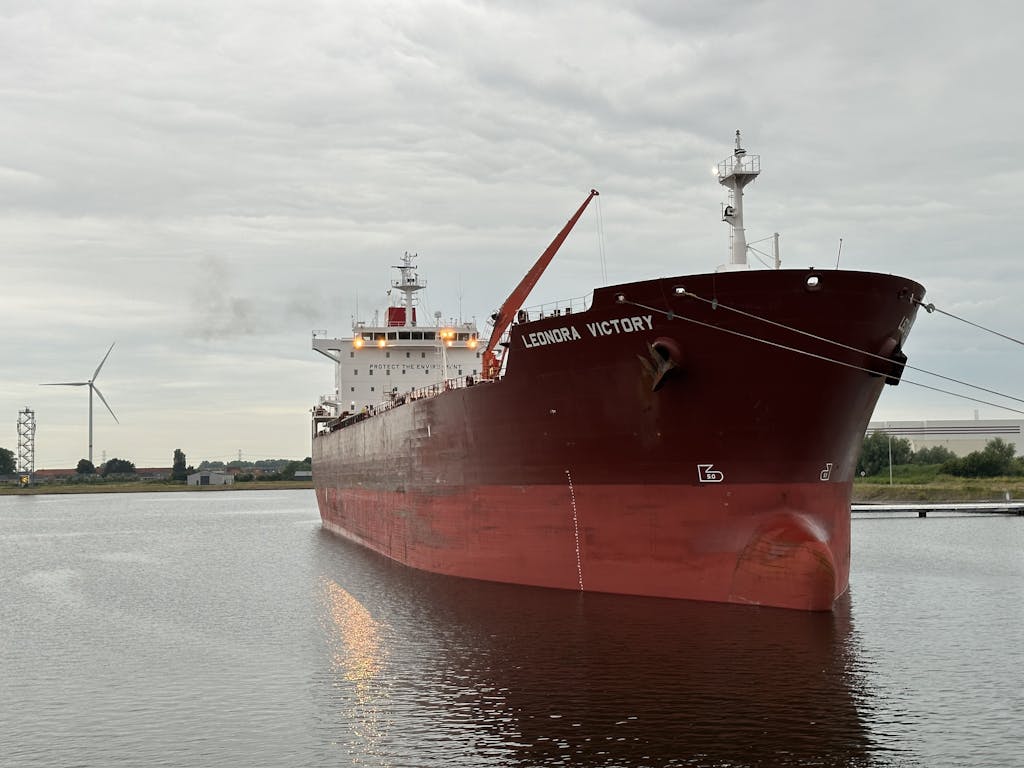
🔹 Why Ships Float Despite Being Heavy
- Large volume: Ships have large hollow spaces filled with air
- Low average density: Overall density is less than that of water
- Shape matters: Hull design maximizes water displacement
🔍 Advanced: Ballast Tanks in Submarines
- To dive: Fill ballast tanks with water (increase density)
- To surface: Blow air into tanks, expelling water (decrease density)
- Neutral buoyancy: Adjust water/air ratio for hovering