Energy Conversion/Transformation
📚 Key Concepts of Energy Conversion
🔹 Real-Life Example
When you eat food, chemical energy converts to mechanical energy in your muscles.
In a car engine, chemical energy in fuel converts to heat, then to mechanical energy.
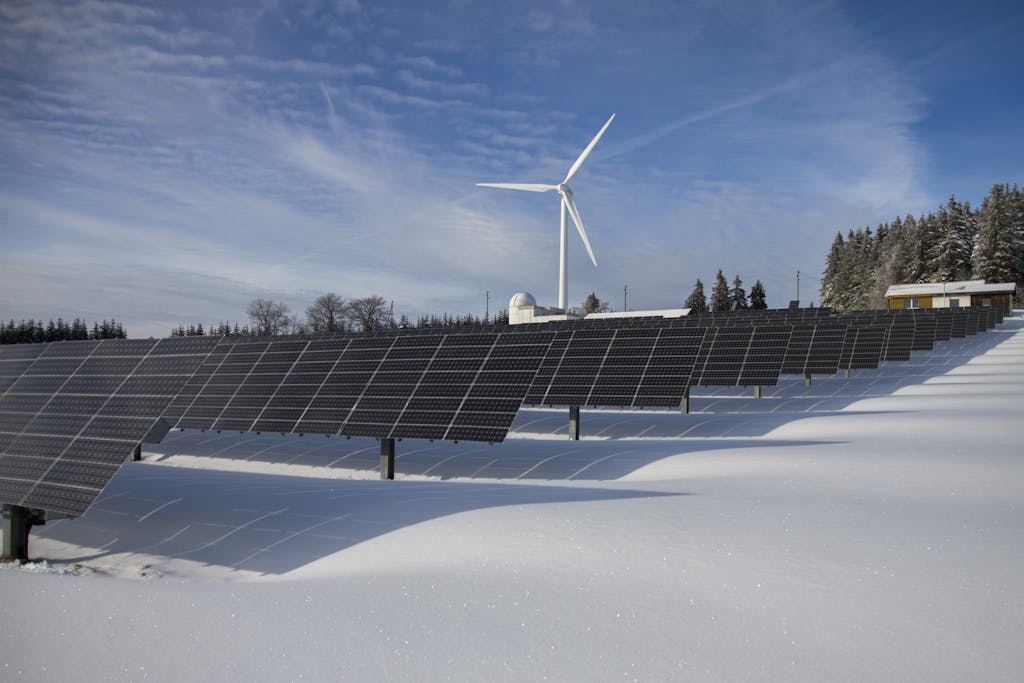
Solar panels convert light energy to electrical energy. A generator converts mechanical energy to electrical energy through electromagnetic induction.
Energy Conversion: The process of changing energy from one form to another. Energy cannot be created or destroyed, only transformed.

🧪 Important Examples
🔸 Common Energy Transformations
- 🔋 Battery: Chemical → Electrical
- 💡 Light bulb: Electrical → Light + Heat
- 🚗 Car engine: Chemical → Heat → Mechanical
- 🌊 Hydroelectric: Gravitational PE → Kinetic → Electrical
- 🔥 Thermal power: Chemical → Heat → Mechanical → Electrical
- 🌞 Solar panel: Light → Electrical
🔹 Energy Flow in Systems
Hydroelectric Power Plant: Water at height (PE) → Flowing water (KE) → Turbine rotation (Mechanical) → Generator (Electrical) → Transmission lines → Your home
Thermal Power Plant: Coal (Chemical) → Heat → Steam (Thermal) → Turbine (Mechanical) → Generator (Electrical)
🔍 Advanced: Efficiency in Energy Conversion
Efficiency = (Useful energy output / Total energy input) × 100%
No energy conversion is 100% efficient — some energy is always lost as heat due to friction, resistance, or other factors.
🔹 Examples of Efficiency
- Incandescent bulb: 5% light, 95% heat
- LED bulb: 20% light, 80% heat
- Car engine: 25% mechanical, 75% heat
- Electric motor: 90% mechanical, 10% heat
🧠 Activity: Energy Tracing
Trace the energy transformations in a bicycle dynamo:
Chemical (your food) → Mechanical (pedalling) → Mechanical (wheel rotation) → Electrical (dynamo) → Light (bulb)