Work Done Against Gravity
📚 Key Concepts of Work Against Gravity
🔹 Real-Life Example
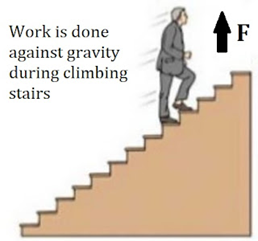
When you climb stairs, you’re doing work against gravity. Every step up requires energy to overcome gravitational pull. Mountain climbers experience this dramatically — the higher they go, the more work they must do against gravity.
This is why we feel more tired climbing uphill than walking on flat ground.
Work Done Against Gravity: The work required to lift an object against Earth’s gravitational pull from one height to another.
🧪 Important Formulas
🔸 Work Against Gravity Formula
W = mgh
Where:
- W = Work done against gravity (J)
- m = Mass of object (kg)
- g = Acceleration due to gravity (9.8 m/s²)
- h = Height difference (m)
🔹 Key Points
- Work done is independent of path – only depends on height difference
- Work done by gravity = –mgh (negative because gravity acts downward)
- Work done against gravity = +mgh (positive because we overcome gravity)

🔍 Advanced: Introduction to Potential Energy
Work done against gravity gets stored as gravitational potential energy:
PE = mgh
This stored energy can be recovered when the object falls back down.
🔹 Real-World Applications
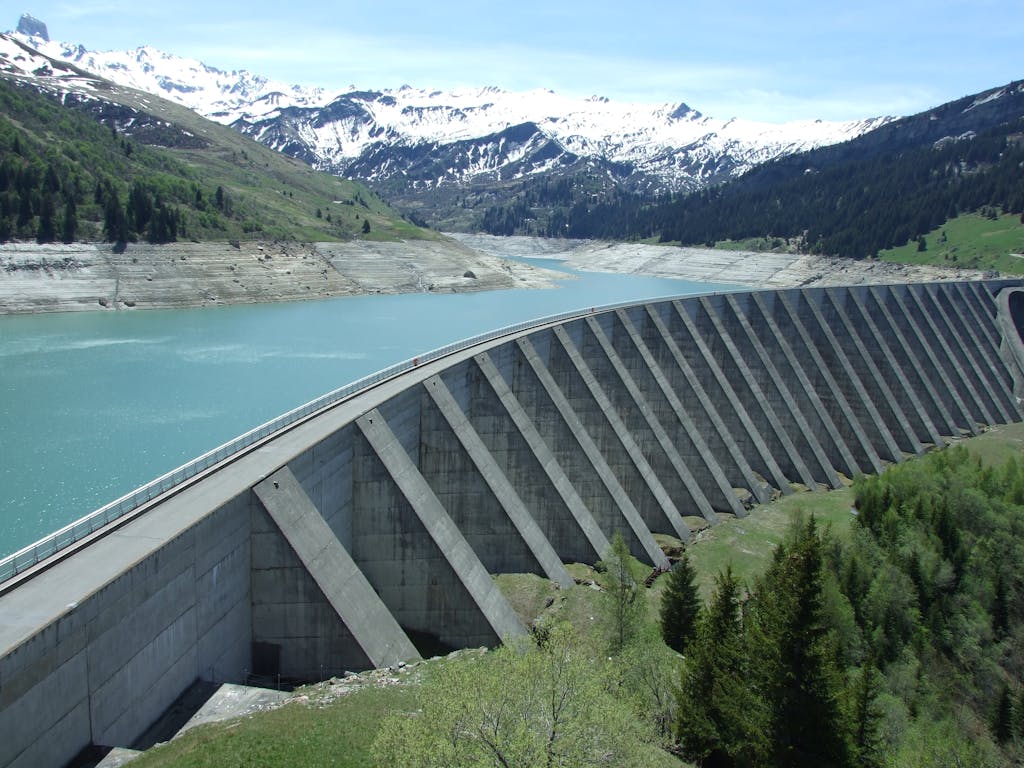
- Hydroelectric dams: Store water at height to generate electricity
- Pumped storage: Pump water uphill when electricity is cheap, release when needed
- Elevators: Counterweights reduce work needed to lift people