Acceleration
🔷 Acceleration
🌟 Introduction to Acceleration
Have you ever felt pushed back into your seat when a car suddenly speeds up? Or felt lighter when an elevator starts going down? That’s acceleration in action! From a sprinter leaving the starting blocks to a rocket launching into space, acceleration is the force behind every thrilling moment! 🏃♂️🚀
📸 Acceleration in Action

📚 Key Concepts on Acceleration
🔹 What is Acceleration?
Definition: Acceleration is the rate of change of velocity per unit time.
Acceleration tells us how quickly an object speeds up, slows down, or changes direction. It’s a vector quantity with both magnitude and direction.
🔹 Uniform vs Non-uniform Acceleration
- Uniform Acceleration: Velocity changes by equal amounts in equal intervals of time
- Non-uniform Acceleration: Velocity changes by unequal amounts in equal intervals of time
🔹 Retardation (Negative Acceleration)
When an object slows down, it experiences negative acceleration or retardation.
📌 Real-life Example: A car braking at a red light shows retardation, while a car speeding up shows positive acceleration!

🔹 Average Velocity
Formula: Average Velocity = (Initial Velocity + Final Velocity) / 2
🧠 Important Formulas
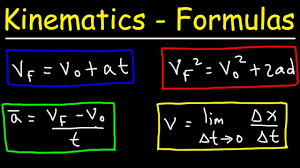
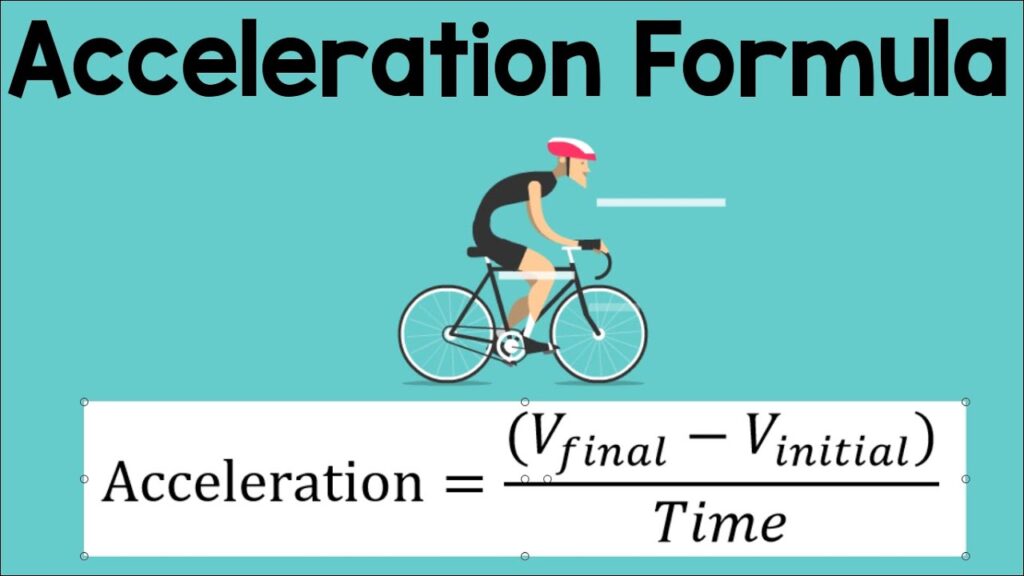
- Acceleration = (Final Velocity – Initial Velocity) / Time
- a = (v – u) / t
- Average Velocity = (u + v) / 2