
Practical Applications & Higher-Order Thinking
📚 Key Concepts: Applications of Energy in Daily Life
🔹 Real-Life Example
Hybrid cars use regenerative braking to convert kinetic energy back into electrical energy, storing it in batteries.

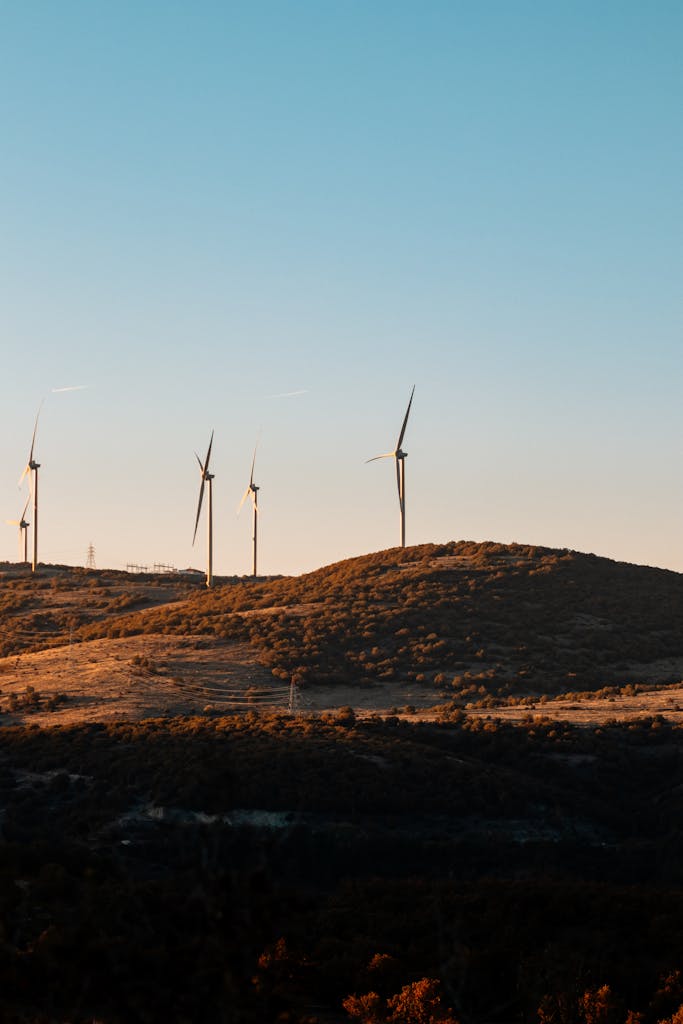
Wind turbines optimize blade angles to maximize energy capture from moving air.
Athletes use energy transformation principles – for example, a pole vaulter converts horizontal kinetic energy into vertical motion to clear the bar.

🔹 Applications in Modern Technology
1. Renewable Energy
- 🌞 Solar panels: Light → Electrical
- 🌬 Wind turbines: Wind KE → Electrical
- 🌊 Hydroelectric: Water PE → Electrical
2. Transportation
- 🚗 Hybrid vehicles: Regenerative braking
- 🔋 Electric cars: Battery → Mechanical
- 🚄 Maglev trains: Magnetic forces reduce friction
3. Sports Science
- 🏃♂️ Optimize athlete performance using energy principles
- ⚽ Equipment design for maximum energy transfer
- 🤸 Biomechanics of human movement
🔍 Advanced: Energy Storage Technologies
Battery Technologies
- 🔋 Lithium-ion: High energy density for portable devices
- 💧 Pumped hydro: Large-scale energy storage
- 💨 Compressed air: Store energy in compressed gas
- 🌀 Flywheel: Store energy in rotating mass
🔹 Energy Efficiency in Society
Building Design
- 🏠 Insulation reduces heat energy loss
- 💡 LED lighting uses less electrical energy
- 📶 Smart systems optimize energy usage
Transportation
- 🚙 Aerodynamic designs reduce air resistance
- 🔧 Lightweight materials reduce energy needs
- ⛽ Alternative fuels for sustainability
🧠 Higher-Order Thinking Questions
💡 Note
These questions encourage students to:
- Apply concepts to real-world situations
- Analyse apparent contradictions in physics
- Evaluate the relationship between scientific definitions and everyday experience
- Synthesize multiple concepts to explain complex phenomena
- Think critically about energy efficiency and conservation principles