
Work and Energy – Class 9 Physics
CBSE Class 9 Science Chapter
🔨 What is Work?
Work is done when a force produces motion or displacement in an object in the direction of force.
Formula: W = F × d × cos(θ)
- Positive Work: Force and displacement in the same direction
- Negative Work: Force acts opposite to displacement
- Zero Work: Displacement is zero or force is perpendicular
📌 Example: Lifting a bucket vertically does positive work.

🏗️ Work Against Gravity
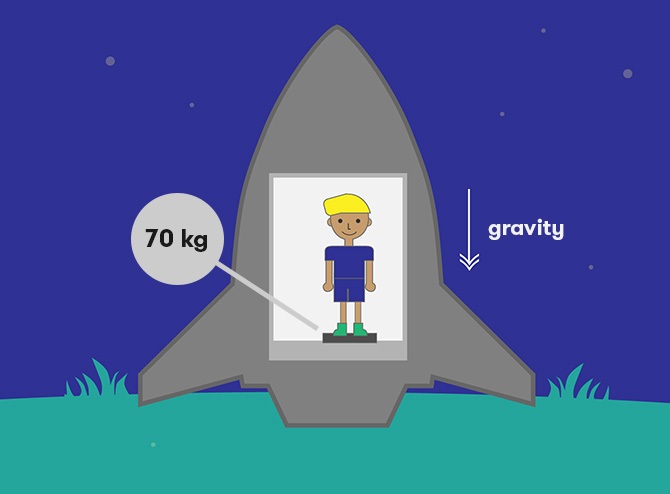
When an object is raised vertically, work is done against gravitational force.
Formula: W = m × g × h
⚡ Energy – Capacity to Do Work
Energy enables an object to do work. It exists in various forms.
- Kinetic Energy (motion)
- Potential Energy (position)
- Heat, Light, Sound, Electrical, Nuclear, Chemical
🏃♂️ Kinetic Energy
Kinetic energy is energy possessed due to motion.
Formula: KE = ½ × m × v²
📌 Example: Running car or flying bullet has kinetic energy.
🪜 Potential Energy
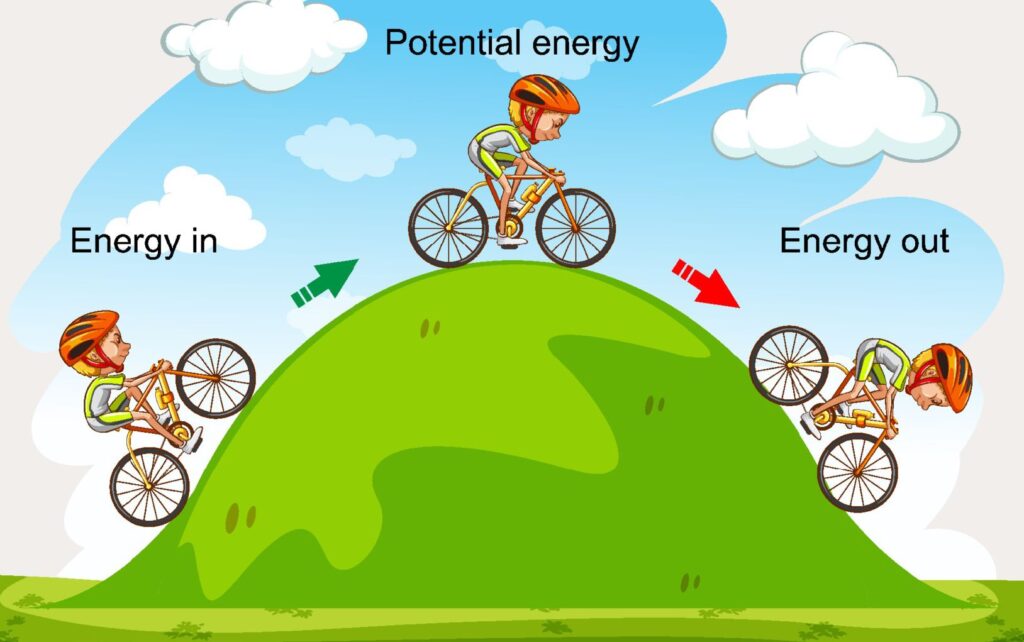
Potential energy is energy due to height or configuration.
Formula: PE = m × g × h
Also includes elastic PE in springs or stretched objects.
⚙️ Power
Power is the rate of doing work.
Formula: Power = Work / Time
Unit: Watt (W)
1 Kilowatt-hour (kWh) = 3.6 × 10⁶ Joules
🔄 Energy Transformation
Energy can be converted from one form to another.
- Solar Cell: Light → Electrical
- Car Engine: Chemical → Heat → Mechanical
- Hydroelectric Plant: PE → KE → Mechanical → Electrical
♻️ Law of Conservation of Energy
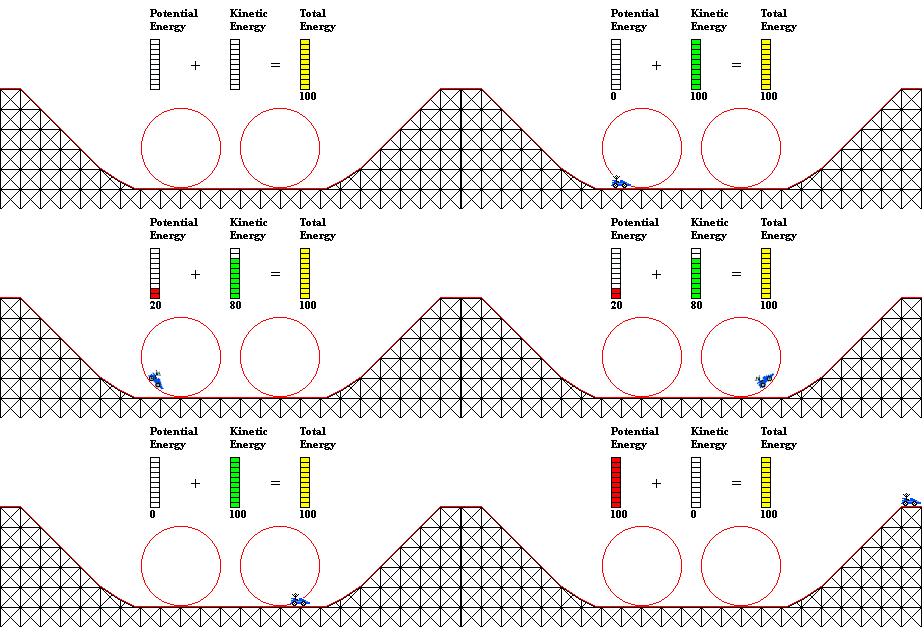
💡 Law: Energy can neither be created nor destroyed; it only changes form. Total energy remains constant in an isolated system.
📘 Trivia: In pendulum motion: PE converts to KE and vice versa but total energy remains the same.
📚 Advanced Insights (For Class 11 Foundation)
- Work as a dot product:
W = →F · →d - Instantaneous Power:
P = F · v - Energy theorem: Work = Change in K.E.
- Spring energy:
U = ½ kx²