
Transparency, Translucency, and Opacity
📚 Key Concepts
🔹 Transparent Materials
Transparent materials allow light to pass through them completely, making objects behind them clearly visible.
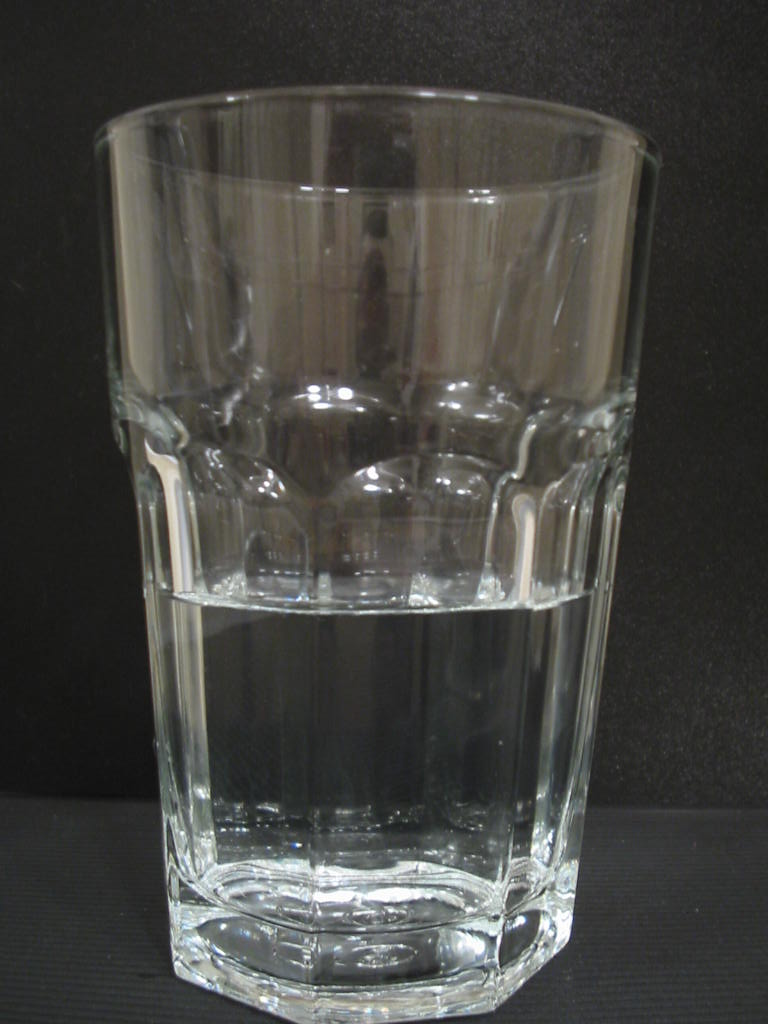
Characteristics:
- Light passes through without scattering
- Objects can be seen clearly through them
- No distortion of image
- Allow maximum light transmission
Examples:
- Clear glass (windows, spectacles)
- Clean water (aquariums, drinking glasses)
- Air (atmosphere)
- Cellophane paper (food wrapping)
- Clear plastic (bottles, bags)
Applications:
- Windows – to see outside while staying inside
- Spectacles – for vision correction
- Camera lenses – for photography
- Aquariums – to observe fish
- Laboratory equipment – to observe reactions
🔹 Translucent Materials
Translucent materials allow some light to pass through but scatter it, making objects behind them blurry or unclear.
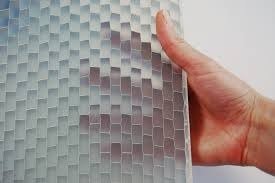
Characteristics:
- Partial light transmission
- Objects appear blurry or unclear
- Light is scattered while passing through
- Provide privacy while allowing light
Examples:
- Frosted glass (bathroom windows)
- Butter paper (food packaging)
- Thin cloth (curtains)
- Oiled paper (traditional windows)
- Ground glass (lampshades)
Applications:
- Privacy windows – allow light but maintain privacy
- Lampshades – diffuse light evenly
- Shower doors – privacy in bathrooms
- Office partitions – separate spaces while allowing light
🔹 Opaque Materials
Opaque materials do not allow light to pass through them at all, making it impossible to see objects behind them.
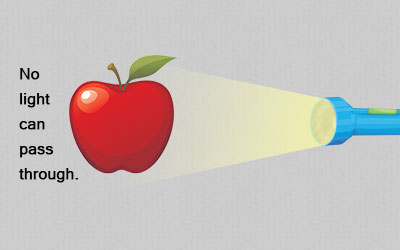
Characteristics:
- No light transmission
- Complete blockage of vision
- Cast shadows when light falls on them
- Can be any color
Examples:
- Wood (doors, furniture)
- Metal (walls, containers)
- Cardboard (boxes, books)
- Stone (buildings, walls)
- Thick plastic (containers, toys)
Applications:
- Walls – privacy and structural support
- Doors – security and privacy
- Containers – storage and protection
- Books – information storage
- Clothing – body coverage and protection
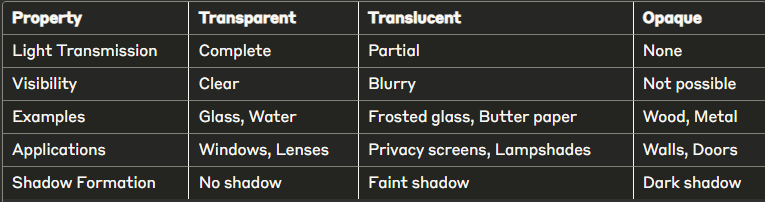
🔹 Comparison Table
🔹 Interesting Facts
Did You Know?
- Water can be made opaque by adding milk or mud
- Some materials can change from transparent to opaque (smart glass)
- The human eye lens is transparent to allow light to reach the retina
- Atmosphere appears transparent but actually scatters blue light (why sky is blue)
- X-rays can pass through some “opaque” materials like skin but not bones