Grouping Plants
📚 Key Concepts
🔹 Classification Based on Height and Stem
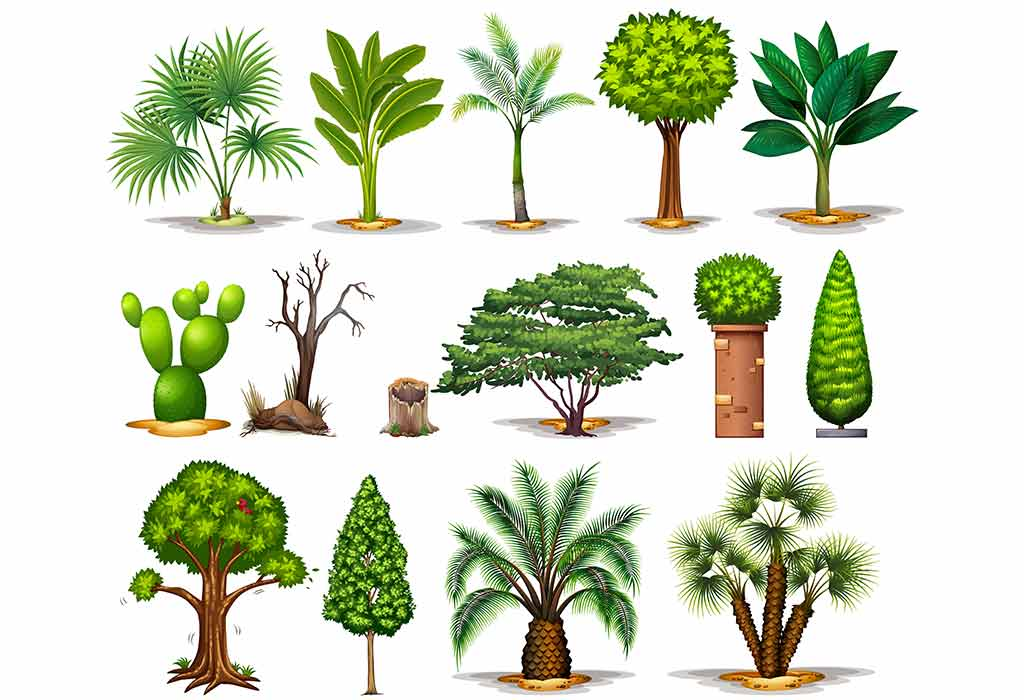
1. Trees:
- Very tall plants with thick, hard, woody stems
- Branches start higher up on the stem
- Examples: Mango, Neem, Banyan
2. Shrubs:
- Medium height plants with hard, woody stems
- Multiple branches starting close to ground
- Examples: Rose, Hibiscus, Lemon
3. Herbs:
- Small plants with soft, green stems
- Examples: Tomato, Mint, Tulsi
4. Special Types:
- Climbers: Weak stem, need support (Grape vine, Money plant)
- Creepers: Spread along the ground (Pumpkin, Watermelon)
🔹 Classification Based on Leaf Venation
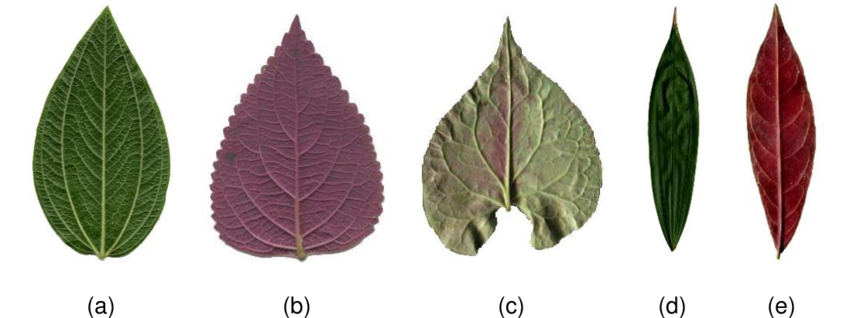
Venation: Pattern of veins in leaves
1. Reticulate Venation:
- Net-like pattern of veins
- Examples: Mango, Rose, Neem
2. Parallel Venation:
- Veins run parallel to each other
- Examples: Grass, Banana, Wheat
🔹 Classification Based on Root Systems
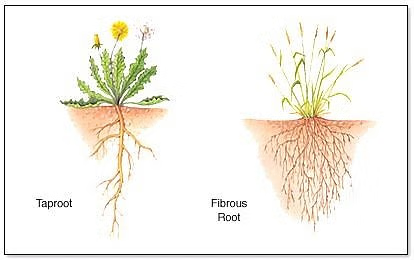
1. Taproot System:
- One main thick root with smaller side roots
- Examples: Mustard, Carrot, Neem
2. Fibrous Root System:
- Many thin roots of similar size
- Examples: Grass, Wheat, Maize
🔹 Classification Based on Seeds
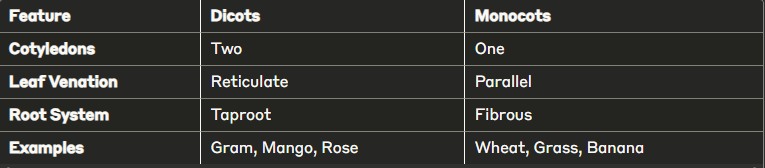
1. Dicotyledons (Dicots):
- Seeds with two cotyledons
- Have reticulate venation and taproot
- Examples: Gram, Pea, Mango
2. Monocotyledons (Monocots):
- Seeds with one cotyledon
- Have parallel venation and fibrous roots
- Examples: Wheat, Rice, Coconut
🧪 Important Plant Classification Table