Condensation – Vapour Becomes Water
📚 Key Concepts
🔹 What is Condensation?
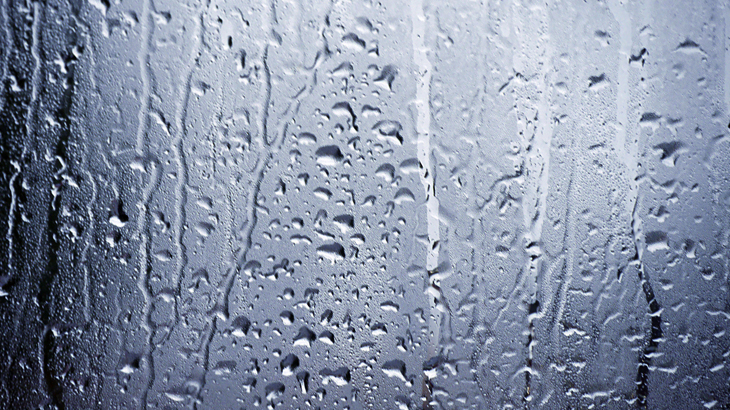
Condensation is the process of conversion of water vapour into its liquid state.
Process:
- Water vapour in air touches cold surface
- Vapour loses energy and becomes liquid droplets
- Happens when vapour cools down
🔹 Where Do We See Condensation?
Common Examples:
- Water droplets on cold glass containing ice water
- Dew drops on plants in morning
- Water droplets on bathroom mirror after hot shower
- Droplets on inner side of pot lid while cooking
- Clouds forming in sky
🔹 Understanding the Cold Glass Experiment
Observation: Water droplets appear on outer surface of cold glass
Explanation:
- Water vapour in air comes in contact with cold glass
- Vapour condenses to form tiny water droplets
- Mass of glass increases due to condensed water
- Water doesn’t seep through glass – it comes from air
Humidity:
- Amount of water vapour in air is called humidity
- Higher humidity = More condensation
- Lower humidity = Less condensation