
Finding Directions with Magnets
📚 Key Concepts
🔹 Earth as a Giant Magnet
Earth behaves like a giant magnet with magnetic North and South poles.
Earth’s Magnetic Properties:
- Magnetic North Pole: Near geographic North Pole
- Magnetic South Pole: Near geographic South Pole
- Magnetic field: Invisible lines from South to North pole
- Declination: Difference between magnetic and true north
🔹 Freely Suspended Magnet
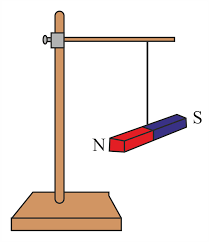
A freely suspended magnet always aligns itself in the North-South direction.
Why this happens:
- Earth’s magnetic field influences the magnet
- North pole of magnet points toward magnetic North
- South pole points toward magnetic South
- This property is used for navigation
Suspension Methods:
- Thread tied to center of bar magnet
- Floating magnetized needle on water
- Pivot mechanism in compass
🔹 Magnetic Compass
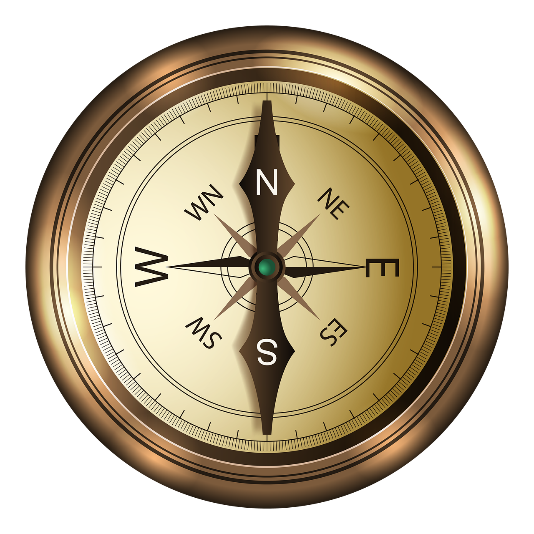
A magnetic compass is a navigation instrument that uses a magnetized needle to show direction.
Parts of a Compass:
- Magnetized needle: Points North-South
- Pivot point: Allows needle to rotate freely
- Compass dial: Shows all directions (N, S, E, W)
- Transparent cover: Protects the needle
- Red end: Usually indicates North pole
How to Use a Compass:
- Place compass on flat surface
- Wait for needle to stop moving
- Rotate dial until N aligns with red end
- Read directions from the dial
🔹 Historical Navigation
Ancient Navigation Methods:
- Stars: Used at night for direction
- Sun: Used during daytime
- Lodestone: Natural magnetic compass
- Matsya-yantra: Fish-shaped Indian compass
Importance for Sailors:
- Could navigate even when stars weren’t visible
- Worked during storms and cloudy weather
- Made long sea voyages possible
- Led to age of exploration