
Sustainable Development
📚 Key Concepts
🔹 Real-Life Example
Imagine you inherit a family farm that has fed your ancestors for generations. You could sell all the crops, cut down all the trees, and mine all the minerals for quick profit – but then what would you leave for your children? Sustainable development is like being a good farm manager: taking what you need for today while ensuring the farm remains productive for future generations. It’s about meeting our current needs without compromising the ability of future generations to meet theirs.
🔹Sustainable Development: Development that meets the needs of the present without compromising the ability of future generations to meet their own needs.
🧪 Important Concepts
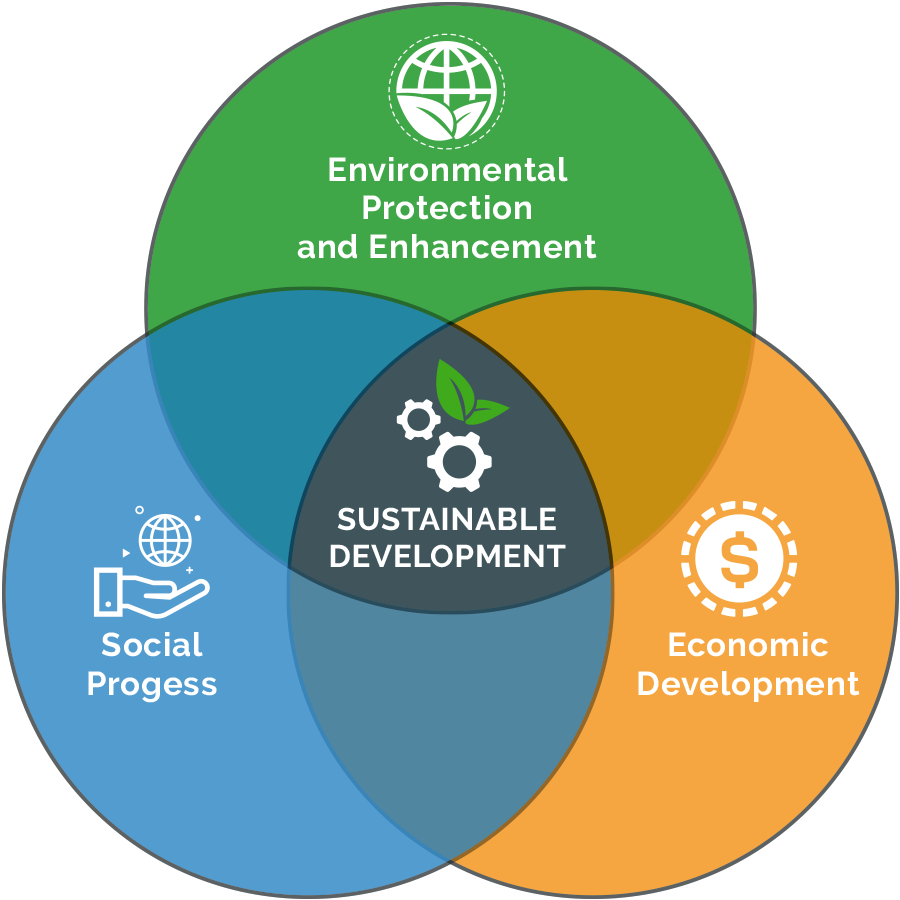
🔸 The Three Pillars
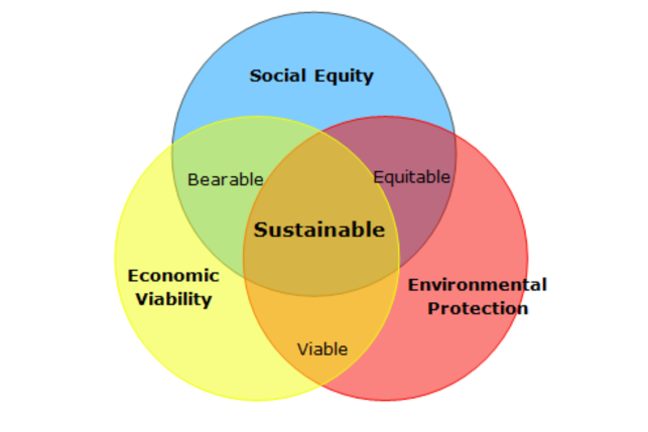
Environmental Sustainability:
- Protecting natural resources
- Minimizing pollution and waste
- Maintaining ecosystem health
Economic Sustainability:
- Creating jobs and economic growth
- Efficient resource use
- Long-term economic viability
Social Sustainability:
- Reducing poverty and inequality
- Ensuring access to education and healthcare
- Promoting human rights and social justice
🔸 United Nations Sustainable Development Goals (SDGs)
17 goals adopted in 2015 for achievement by 2030:
- No Poverty
- Zero Hunger
- Good Health and Well-being
- Quality Education
- Gender Equality
- Clean Water and Sanitation
- Affordable and Clean Energy
- Decent Work and Economic Growth
- Industry, Innovation, and Infrastructure
- Reduced Inequalities
- Sustainable Cities and Communities
- Responsible Consumption and Production
- Climate Action
- Life Below Water
- Life on Land
- Peace, Justice, and Strong Institutions
- Partnerships for the Goals
🔹 Sustainable Practices
Energy Sustainability:
- Renewable Energy Sources: Solar, wind, hydro, geothermal
- Energy Efficiency: LED lights, smart buildings, efficient appliances
- Green Transportation: Electric vehicles, public transit, cycling
Sustainable Agriculture:
- Organic Farming: No synthetic pesticides or fertilizers
- Crop Rotation: Maintaining soil health
- Integrated Pest Management: Natural pest control methods
- Water-efficient Irrigation: Drip irrigation, precision farming
Sustainable Urban Planning:
- Green Buildings: Energy-efficient, environmentally friendly construction
- Smart Cities: Technology for efficient resource use
- Urban Green Spaces: Parks, green roofs, urban forests
- Waste Reduction: Recycling programs, composting initiatives
🔹 Challenges to Sustainability
Economic Challenges:
- Short-term profit focus vs. long-term sustainability
- Higher initial costs of sustainable technologies
- Economic inequality limiting access to sustainable options
Social Challenges:
- Population growth increasing resource demand
- Changing consumption patterns
- Need for education and behavior change
Environmental Challenges:
- Climate change impacts
- Resource depletion
- Pollution and ecosystem degradation
🔍 Advanced: Ecological Footprint
Ecological Footprint: Measure of human demand on natural resources
- Earth Overshoot Day: Date when humanity exhausts annual resources
- Currently using 1.7 Earth’s worth of resources annually
- Need to reduce footprint to stay within planetary boundaries