
The Idea of Development
Everyone dreams of a better life, and development means making that happen. In NCERT’s word, development is about asking big questions – What do people need? Can life improve for everyone? Can we increase equality? – and planning ways to achieve those goals. Think of it as stacking blocks (health, education, income, freedom, etc.) to build a stronger society.
Different People, Different Goals
Not everyone defines “better life” the same way. For example,
1.Landless rural labourers: They may want steady work and higher wages, good schools for their children, and no social discrimination.
2.Well-off farmers: They often aim for high crop income (through fair prices and cheap labor) and hope their children can get education or opportunities abroad.
3.People in wealthy families: They might look, a chance to study overseas as true progress.
These examples show that development goals vary by person or group. As NCERT points out, “different persons can have different developmental goals”, and what feels like progress for one person may even be harmful to another. For instance, building a dam might create jobs (good for many) but flood tribal lands (bad for forest communities) – illustrating that one project can have conflicting effects on different people
Dimensions of Development
We can think of development in several dimensions (all needed for a complete picture)
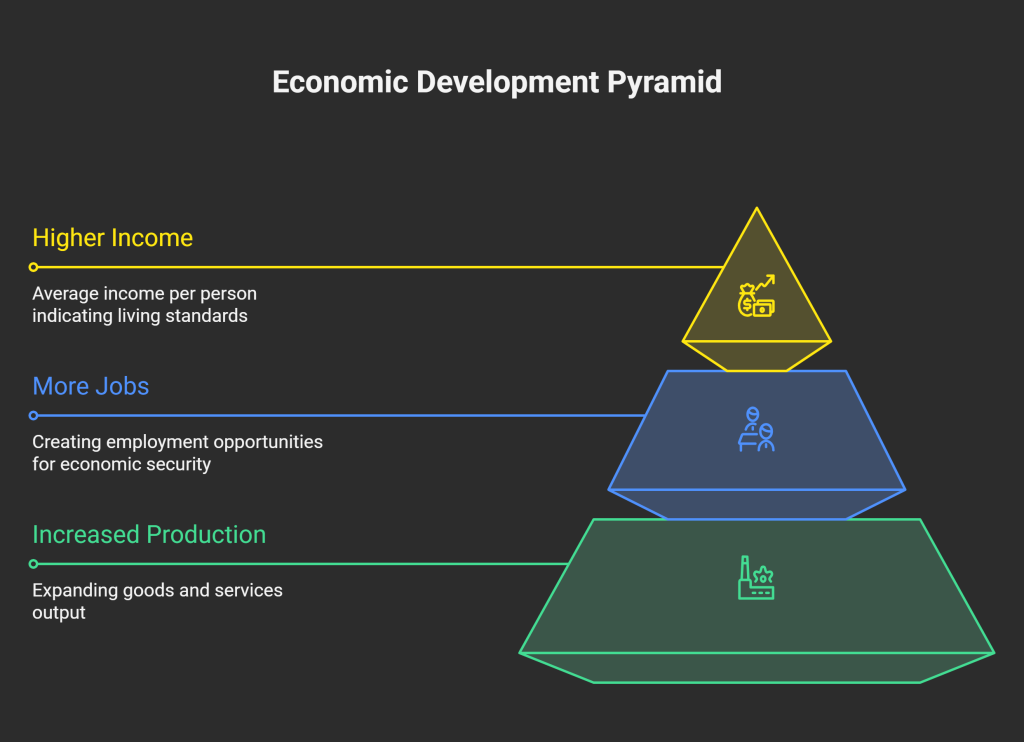
1.Aspect: Economic – Example Goals: Higher per capita income, more jobs and production
The economic dimension of development focuses on improving the material well-being of individuals and societies. Key goals in this area include:
- Higher per capita income: This refers to the average income earned per person in a given area (city, region, country) in a specified year. It is calculated by dividing the area’s total income by its total population. An increase in per capita income generally indicates improved living standards and greater purchasing power.
- More jobs: Creating employment opportunities is essential for reducing poverty and improving economic security. Increased employment leads to higher incomes, greater economic activity, and improved social stability.
- Increased production: Expanding the production of goods and services is crucial for economic growth. This can be achieved through investments in infrastructure, technology, and human capital. Increased production leads to greater availability of goods and services, lower prices, and improved living standards.
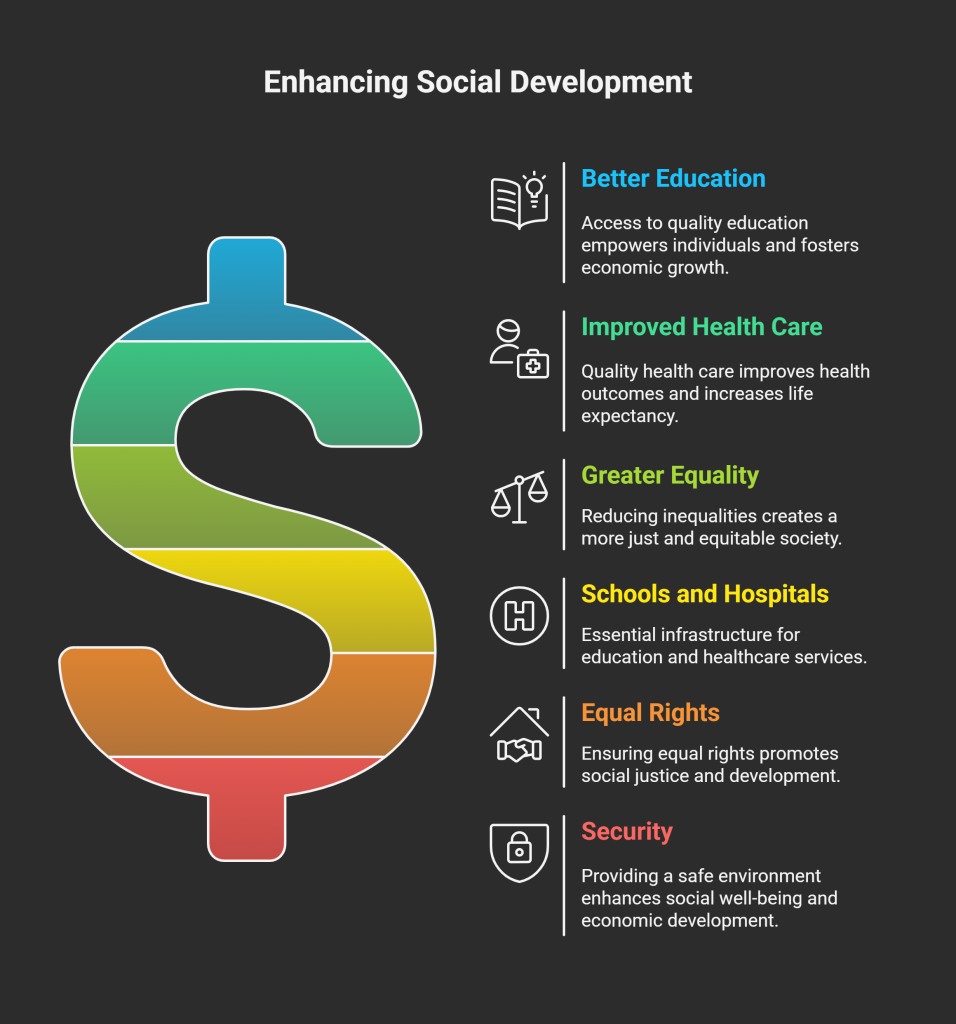
2. Aspect: Social – Example Goals: Better education, health care, and equality – schools, hospitals, equal rights, security.
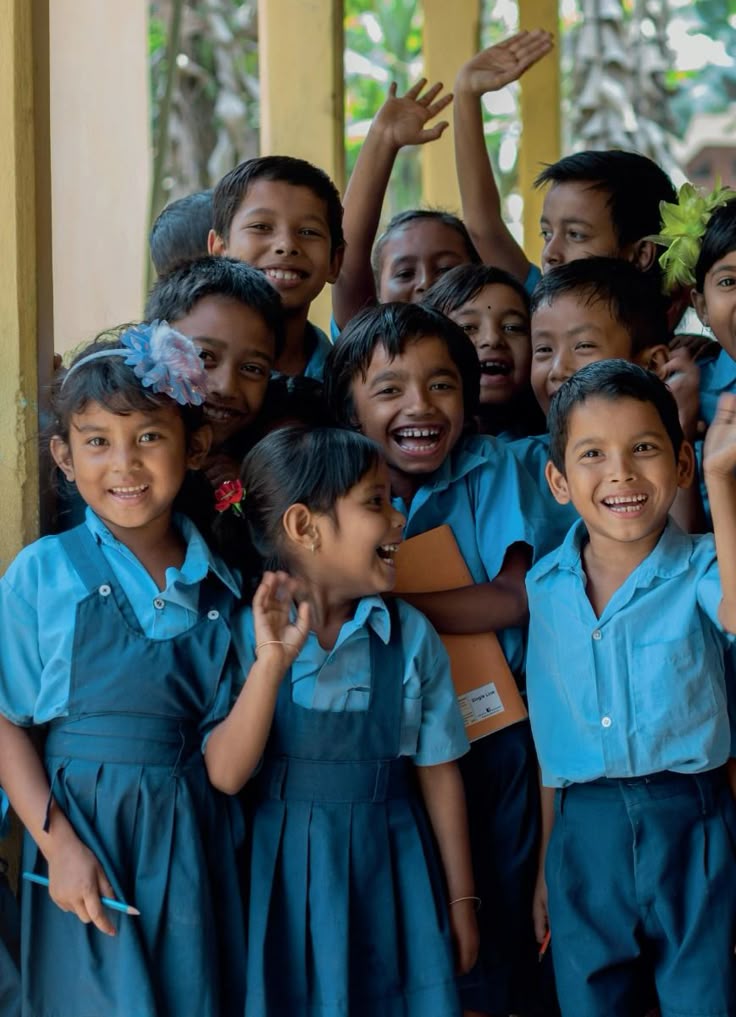
- Better education: Access to quality education is essential for empowering individuals, promoting social mobility, and fostering economic growth. Education equips people with the knowledge, skills, and values they need to participate fully in society and contribute to the economy.
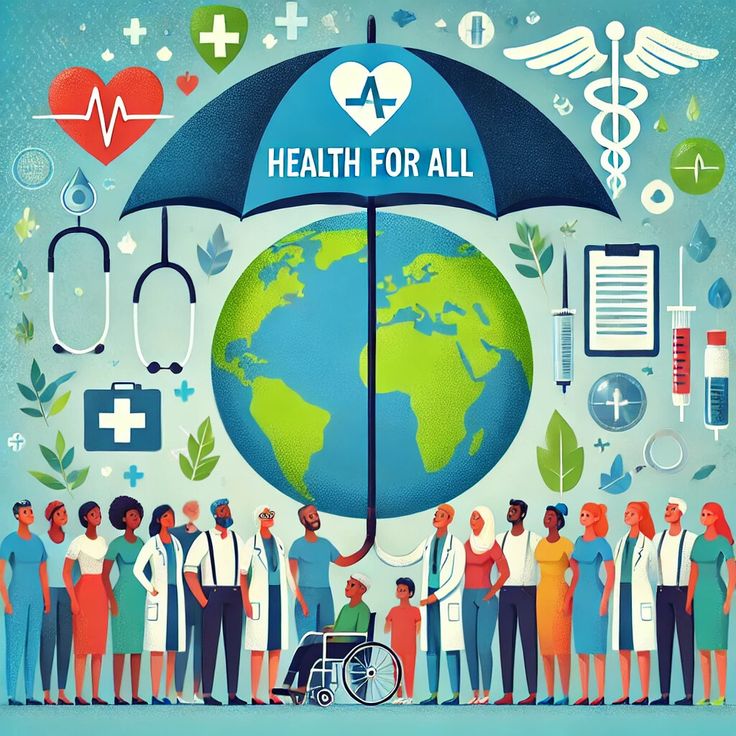
- Improved health care: Access to quality health care is crucial for improving health outcomes, increasing life expectancy, and reducing the burden of disease. Investments in health care infrastructure, personnel, and technology are essential for achieving these goals.
- Greater equality: Reducing inequalities in income, wealth, and opportunities is essential for creating a more just and equitable society. This involves addressing discrimination based on gender, race, ethnicity, and other factors, and promoting equal access to education, health care, and employment.
- Schools and hospitals: These are essential infrastructure for social development. Schools provide education and skills development, while hospitals provide healthcare services.
- Equal rights: Ensuring equal rights for all individuals, regardless of their background or characteristics, is fundamental to social justice and development. This includes protecting civil liberties, promoting gender equality, and combating discrimination.
- Security: Providing a safe and secure environment for individuals and communities is essential for promoting social well-being and economic development. This involves maintaining law and order, protecting citizens from violence and crime, and ensuring access to justice.
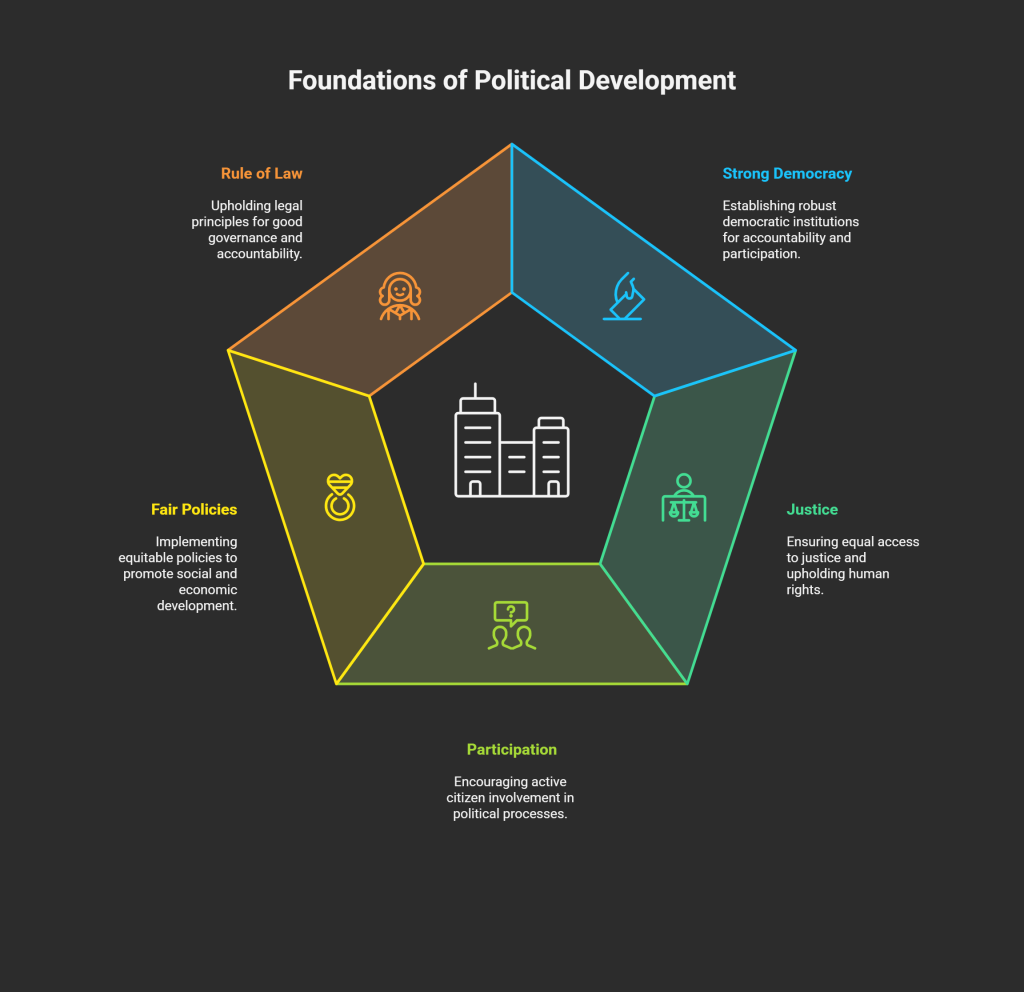
3. Aspect: Political – Example Goals: Strong democracy and justice – participation, fair policies, rule of law (NCERT notes that a democratic process is key to realizing development goals)
The political dimension of development focuses on promoting good governance, democracy, and the rule of law. Key goals in this area include:
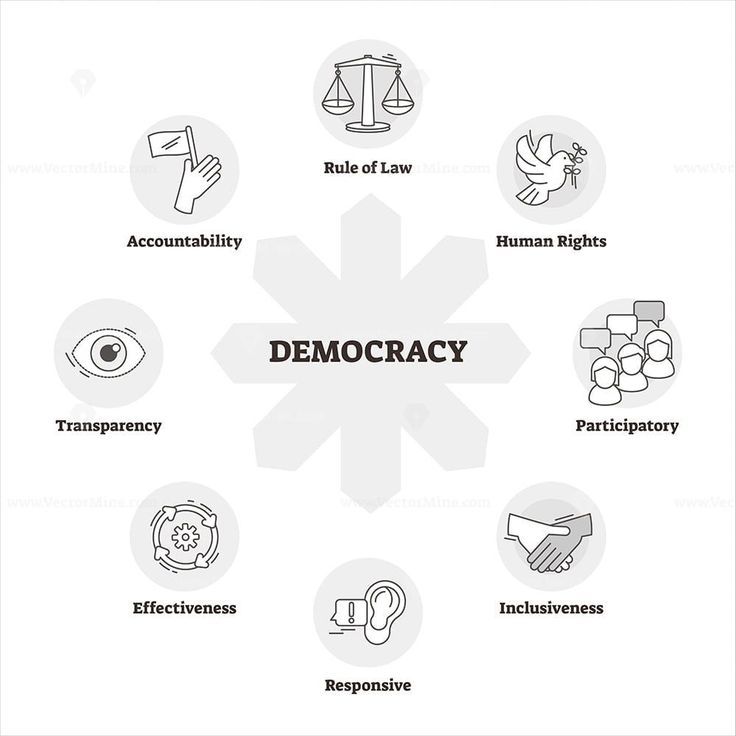
- Strong democracy: Establishing and strengthening democratic institutions is essential for ensuring accountability, transparency, and participation in decision-making. This involves holding free and fair elections, protecting civil liberties, and promoting freedom of expression.
- Justice: Ensuring access to justice for all individuals is crucial for upholding the rule of law and protecting human rights. This involves establishing independent and impartial courts, providing legal aid to the poor, and combating corruption.
- Participation: Encouraging active participation of citizens in political processes is essential for ensuring that government policies reflect the needs and aspirations of the people. This involves promoting civic education, supporting civil society organizations, and creating opportunities for public consultation.
- Fair policies: Implementing fair and equitable policies is essential for promoting social and economic development. This involves addressing inequalities, protecting the rights of vulnerable groups, and promoting sustainable development.
- Rule of law: Upholding the rule of law is fundamental to good governance and development. This involves ensuring that laws are applied fairly and consistently, that government officials are accountable for their actions, and that citizens have access to justice.
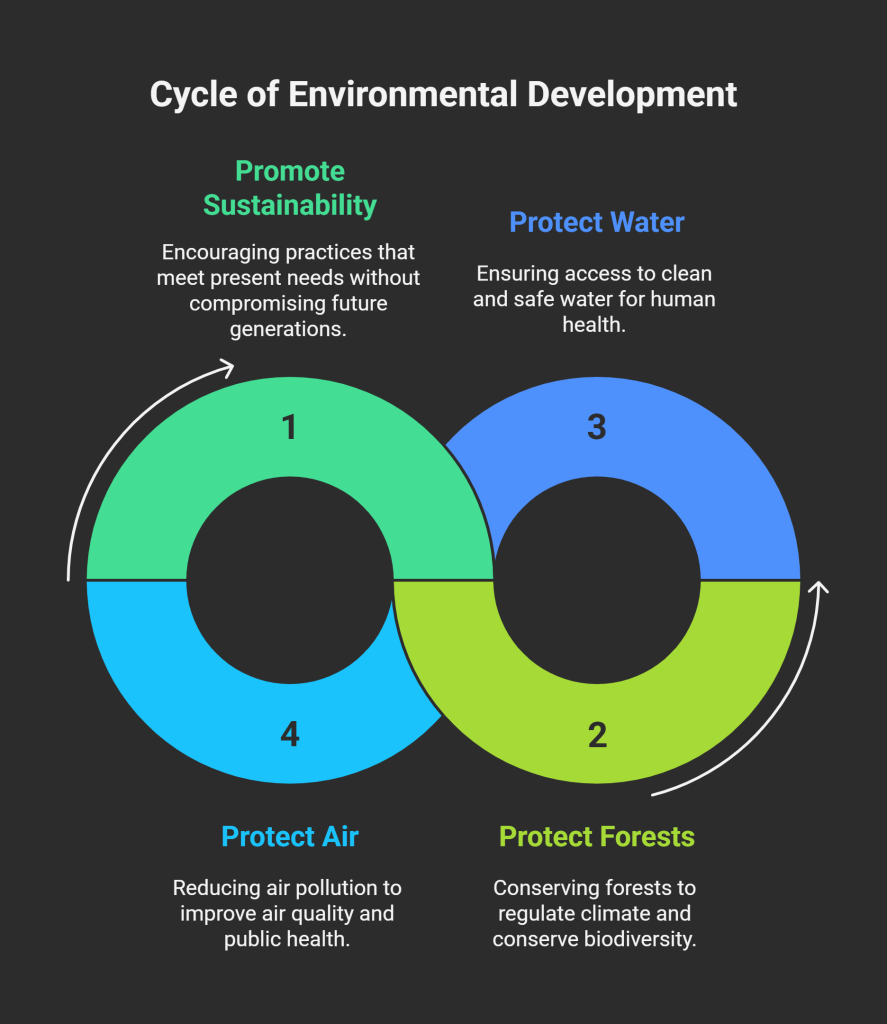
4. Aspect: Environmental – Example Goals: Sustainability – protecting forests, water and air for future generations (development that meets today’s needs without harming tomorrow)
The environmental dimension of development focuses on protecting the environment and ensuring the sustainable use of natural resources. Key goals in this area include:
- Sustainability: Promoting sustainable development practices is essential for meeting the needs of the present without compromising the ability of future generations to meet their own needs. This involves balancing economic growth with environmental protection and social equity.
- Protecting forests: Forests play a vital role in regulating climate, conserving biodiversity, and providing livelihoods for millions of people. Protecting forests from deforestation and degradation is essential for ensuring environmental sustainability.
- Protecting water: Access to clean and safe water is essential for human health and well-being. Protecting water resources from pollution and overuse is crucial for ensuring water security.
- Protecting air: Clean air is essential for human health and environmental quality. Reducing air pollution from industrial emissions, transportation, and other sources is crucial for improving air quality and protecting public health.
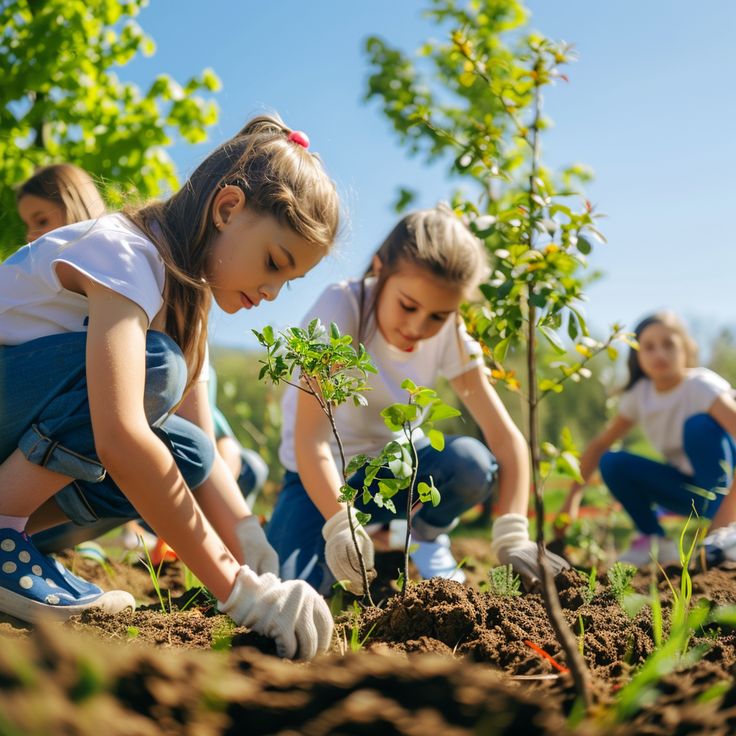
Each dimension matters. For example, per capita income (average income per person) is a common metric for comparing countries, but it ignores literacy, health or clean environment. Today scholars add indicators like the Human Development Index (HDI) to capture education and life expectancy too.