Class 6 Social Science Chapter 11 – Grassroots Democracy: Part 2: Local Government in Rural Areas 🌾| NCERT Solutions 2025-26
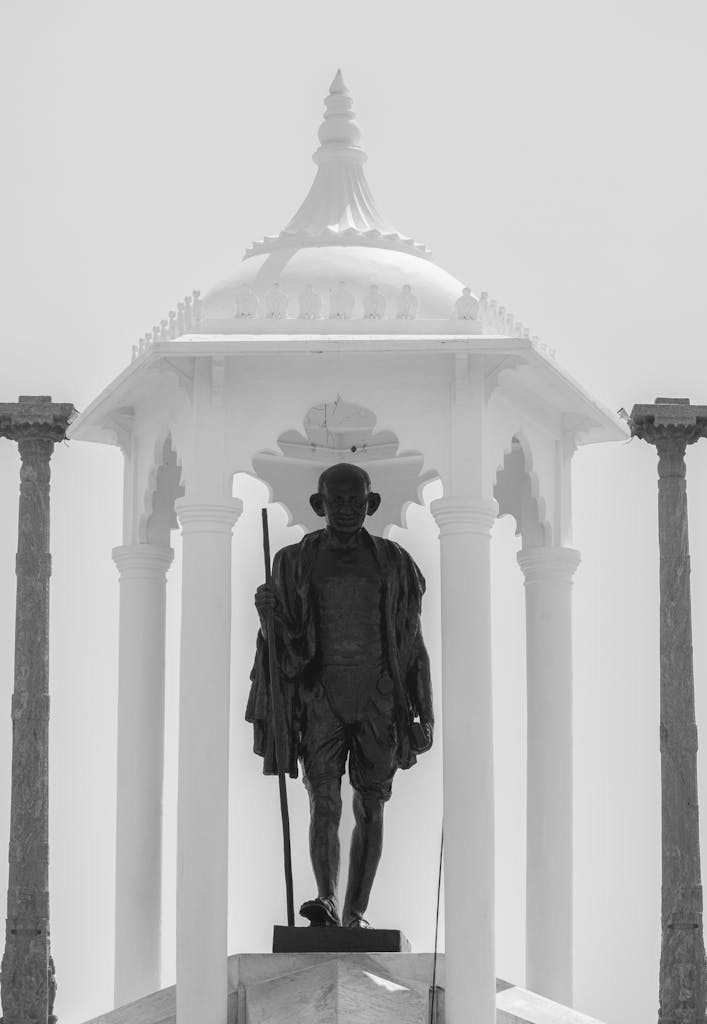
“The real India lives in its villages.”– Mahatma Gandhi
Photo by aboodi vesakaran
India has over 600,000 villages 🏡, where most people live. Let’s explore how local government works in rural areas!
NCERT Class 6 Social Science 2025-26 Chapter 11 focuses on Grassroots Democracy and Local Government in Rural Areas. It explores the Panchayati Raj system, its structure, functions, and importance in India’s democratic framework. Through real-life examples like the village of Lakshmanpur, students learn how rural governance works and how it directly affects people’s lives.🧠 The Big Questions – Answered
1. What are Panchayati Raj institutions?
Panchayati Raj Institutions (PRIs) are a form of local self-government in rural India. These are elected bodies at the village, block, and district levels that manage rural development and local governance.
2. What are their functions?
Panchayats look after local development, sanitation, water supply, education, roads, and ensure that government schemes reach villagers. They also settle minor disputes and encourage citizen participation.
3. Why are they important in governance and democracy?
They bring governance closer to people and promote participatory democracy. Citizens can directly voice their needs and hold elected leaders accountable at the local level.
🏛️ Panchayati Raj System
Like every village in India, Lakshmanpur (a small Himalayan village) has its own Panchayat (village council). This system is called Panchayati Raj – a form of self-government!
📜 Three Tiers of Panchayati Raj:
Gram Panchayat (Village Level) 👨🌾
Panchayat Samiti (Block Level) 🏘️
Zila Parishad (District Level) 🏢
This system was strengthened by the 73rd Amendment (1992) 📜, ensuring elections, women’s reservation, and financial powers.
⚙️ Functions of Panchayati Raj
1. Gram Panchayat (Village Level) 🏡
🛣️ Maintains roads, drains, and water supply
📚 Runs schools & health centers
⚖️ Solves local disputes
💰 Implements govt schemes (MNREGA, PMAY-G)
2. Panchayat Samiti (Block Level) �
🌾 Supports farming & small industries
🚧 Coordinates development projects
💵 Manages funds for multiple villages
3. Zila Parishad (District Level) 🏢
📊 Plans district-level development
💸 Distributes state & central funds
👀 Monitors welfare schemes
🌟 Why is Panchayati Raj Important?
✅ Decentralization: Power to the people!
✅ Women’s Empowerment: 33% seats reserved for women 👩💼
✅ Quick Problem Solving: Local issues get faster solutions ⚡
✅ Grassroots Democracy: Villagers participate in decisions 🗳️
🔍 Let’s Explore: Fun Activities!
1️⃣ Compare Governance Levels
Central Govt vs. Panchayat:
🇮🇳 Similarities: Both have elections & budgets
🏡 Differences: Panchayats handle local issues (roads, water), while the Centre handles defense, foreign policy
2️⃣ Interview a Panchayat Member
Sample Questions:
❓ What are the biggest problems in our village?
❓ How can students help in village development?
❓ What new projects are coming soon?
3️⃣ Write a Letter to the Sarpanch
Topic: Plastic waste problem 🚯
“Respected Sarpanch ji, Plastic bags are littered near our school. Kindly organize a cleanup drive and install dustbins. – [Your Name]”
4️⃣ Solve the School Highway Issue
Problem: Students struggle to cross the road 🚸
Solutions:
🛑 Ask Gram Panchayat for speed breakers
🚸 Request a school zone signboard
📢 Students can start a petition ✍️
🎯 Conclusion
Panchayati Raj makes democracy stronger by giving power to villagers! By attending Gram Sabha meetings and voting, everyone can help India grow. 🌱
Next Chapter: Urban Local Governance (Municipalities & Corporations) 🏙️