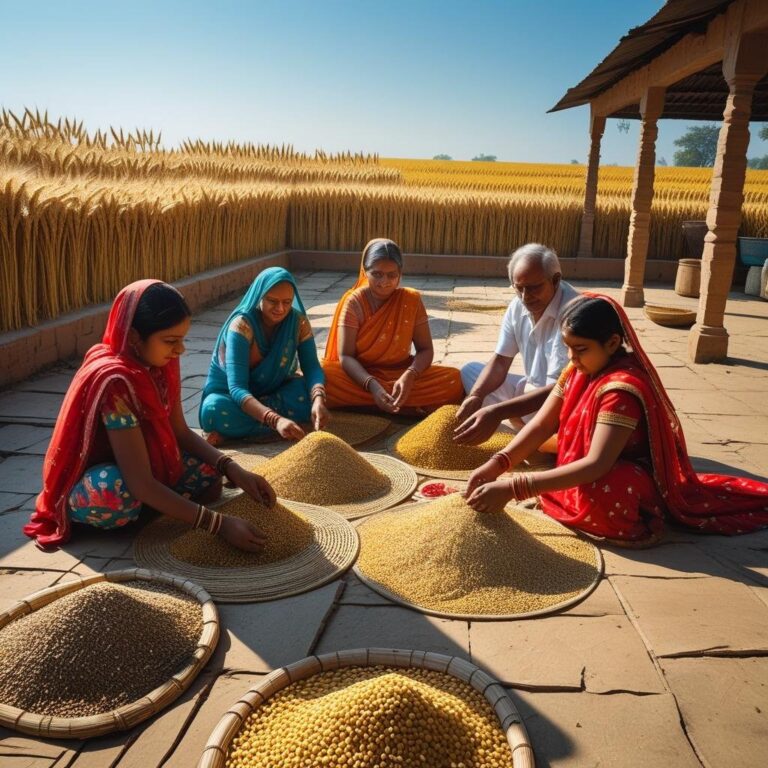
The Beginnings of Indian Civilisation – Class 6 Social Science Chapter 6 2025 new syllabus introduces us to the Harappan or Indus-Sarasvatī Civilisation, India’s first urban culture. Discover its unique achievements, urban planning, and surprising similarities with modern India.
🏙️ The Indus-Sarasvati Civilisation – Overview
The Harappan Civilisation, also known as the Indus or Indus-Sarasvati Civilisation, was one of the oldest urban civilisations in the world. It flourished around 2500 BCE in what is now Pakistan and northwest India. With cities like Harappa, Mohenjo-daro, and Dholavira, it showed exceptional planning, drainage systems, and non-exploitative societal balance.
“In essence, the Harappan societal scenario was not that of exploitation, but of mutual accommodation.” – B.B. Lal

🧠 Key Questions
- 1. What is a civilisation?
A civilisation is an advanced stage of human society marked by cities, writing, complex institutions, and technological development. - 2. What was the earliest civilisation of the Indian subcontinent?
The earliest known civilisation is the Indus or Harappan Civilisation. - 3. What were its major achievements?
Urban planning, advanced drainage, use of weights, seals, ornaments, and possibly writing.
📌 Why the Name ‘Harappan’?
The civilisation is called Harappan because Harappa was the first site to be excavated in 1920–21, located in present-day Pakistan. It is also called the First Urbanisation of India.
📝 Questions, Activities, and Projects
1️⃣ Why does the civilisation studied in this chapter have several names?
Answer: It is called the Harappan because of the city of Harappa, Indus because it flourished near the Indus river, and Indus-Sarasvati because many sites were near the now-dry Sarasvati river. Each name highlights a unique geographical or historical aspect.
2️⃣ Write a brief report on the achievements of the Indus-Sarasvati Civilisation (150–200 words):
Sample Answer: The Indus-Sarasvati Civilisation was one of the world’s oldest and most advanced early civilisations. It had well-planned cities with straight roads, neatly arranged houses, and an underground drainage system. Cities like Mohenjo-daro and Dholavira had public baths, granaries, and marketplaces. The Harappans used standardized weights and seals for trade, showing knowledge of measurement and organization. Their ornaments, toys, and pottery reflect artistic skills. They possibly had a form of writing, although it remains undeciphered. Their civic systems like reservoirs and wells show a high level of planning and concern for public welfare.
3️⃣ Journey from Harappa to Kalibangan – How would you travel?
Answer: In ancient times, travel would involve walking, using bullock carts, or boats along rivers. Today, it takes around 7–9 hours by road (around 550 km). In Harappan times, the journey could take several days or weeks, depending on the mode of travel.
4️⃣ What would surprise a Harappan person in a modern kitchen?
- 🍳 Use of gas stoves and microwaves
- 🔌 Presence of electricity and lights
- 🚰 Tap water on demand
- 📦 Packaged food and refrigerators
- 🧼 Ready-made metal utensils and steel containers
5️⃣ Familiar objects from Harappan pictures:
- 💍 Ornaments like bangles and necklaces
- 🪔 Pottery and utensils
- 🧍 Seated postures in figures
- 🎯 Board games or toys
6️⃣ What does the Dholavira reservoir system reflect?
Answer: It reflects a community that valued water conservation, long-term planning, and sustainability. It shows early awareness of resource management.
7️⃣ 700 wells in Mohenjo-daro – What does it tell us?
Answer: The Harappans valued hygiene, ensured regular water supply, and maintained public infrastructure. The fact that the wells were maintained over centuries shows community effort and continuity.
8️⃣ Did Harappans have civic sense?
Answer: Yes. Their town planning, drainage, and public structures show they prioritized cleanliness, organization, and fairness. Compared to today’s urban areas, their systems were more consistent and people-centric.
📘 This post is based on the 2025–26 CBSE Class 6 Social Science syllabus. For more solved chapters, visit Edusaint and explore high-quality resources.