NCERT Class 6 Social Science 2025-26 introduces students to key civic ideas through Chapter 10: Grassroots Democracy – Part 1: Governance. This chapter explores the meaning of governance, the need for a government, and the role of democracy in society. It also explains the three organs of government with relatable examples like cybercrime handling
🔍 Introduction – Why Do We Need Rules?
Human beings have lived in communities for thousands of years. As the number of people in a community grows, so do the chances of conflicts, misunderstandings, and disorder. This is why rules are needed – to ensure peace, order, and fairness.
👨👩👧👦 Rules at Home
Even in our families, we follow simple rules like:
- Respect elders
- Help with household work
- Sleep and wake up on time
🏫 Rules at School
- Attend classes regularly
- Respect teachers and classmates
- Follow exam rules honestly
🚗 Rules in Society
- Traffic rules for drivers
- Workplace rules for both employers and employees
- Laws made by the government for all citizens
⚠️ What if there were no rules?
Imagine a world where:
- No one stops at traffic signals 🚦
- Students cheat in exams freely
- Employers exploit workers and vice versa
Without rules, there would be chaos and injustice. Society would not function properly and people would not feel safe or equal.
📌 Key Takeaways – Why Rules Matter
- 🧑🤝🧑 Rules bring order and discipline in communities
- ⚖️ They ensure fairness, equality, and justice
- 🏛️ Rules are the foundation of governance and democracy
- 📚 Even schools, homes, and roads need rules to run smoothly
💬 Big Questions – Answered
1. What is the meaning of ‘governance’?
Governance means the way a country, state, or community is managed. It includes the creation and enforcement of laws, ensuring justice, and managing public services for the people.
2. Why do we need a government?
We need a government to make laws, protect our rights, ensure justice, maintain law and order, and provide services like healthcare, education, and transport.
3. What is the meaning of ‘democracy’? Why is it important?
Democracy is a form of government where people choose their leaders. It is important because it ensures equality, justice, freedom, and gives citizens the power to participate in decision-making.
⚖️ The Three Organs of Government
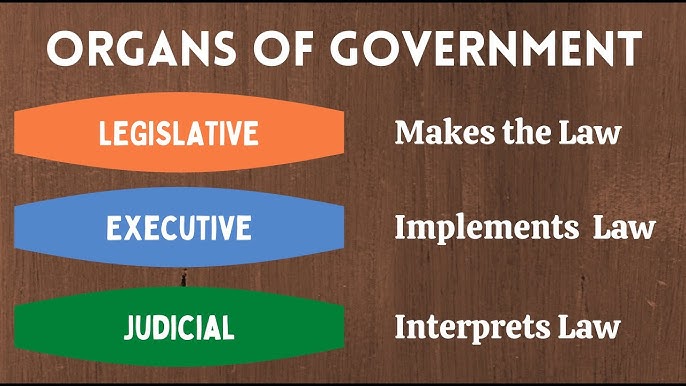
- Legislature: Makes laws. Example – Passing a cybercrime law.
- Executive: Enforces laws. Example – Police catching cybercriminals.
- Judiciary: Decides if laws were broken and gives punishment. Example – Court trials for criminals.
🌐 Example: Cybercrime Case
In the digital world, criminals steal money online. Here’s how each organ works:
- Legislature passes cyber laws.
- Executive (cyber police) arrests the criminals.
- Judiciary conducts trials and gives punishment.
This shows the system of “separation of powers” and “checks and balances” that keeps governance fair and effective.
🧠 Let’s Explore – Activity Answer
In the cybercrime case:
- 👨⚖️ Judiciary: Decides if the criminal is guilty and gives punishment.
- 👮 Executive: Police investigate and catch the criminal.
- 📜 Legislature: Made the cybercrime law to protect people.
Together, they ensure justice and protect citizens in a digital world.
📘 Questions, Activities, and Projects – Solved
1. What is the meaning of democracy? What is the difference between direct democracy and representative democracy?
Democracy means people have the power to choose their leaders and make decisions.
- Direct Democracy: People directly vote on laws and policies.
- Representative Democracy: People elect leaders who make decisions on their behalf.
2. Recall the three organs of government. What are their different roles?
- Legislature: Makes laws
- Executive: Implements laws
- Judiciary: Ensures justice and checks if laws are fair
3. Why do we need three tiers of government?
India is a large country. The three tiers – Central, State, and Local Government – help in better governance and administration. Local problems are handled locally while national issues are handled by the central government.
4. Project: COVID-19 Lockdown Example
Actions Taken:
- 🔒 Lockdown rules issued by the central government
- 🏥 Health services managed by state and local governments
- 🚓 Curfews enforced by the police (executive)
- 🧑⚖️ Courts ensured no rights were violated (judiciary)
Tiers involved: Central, State, Local
Organs involved: Legislature (rules), Executive (implementation), Judiciary (justice)
📌 Key Takeaways
- 👥 Democracy ensures people have power and equality
- 🏛️ Three organs of government help in balanced governance
- 📶 Governance adapts with technology – like cyber laws
- 🧩 Separation of powers keeps government fair and accountable