“The root of prosperity is economic activity; its lack brings distress.”– Kauṭilya’s Arthaśhāstra
From farms to factories to your favorite ice-cream shop – let’s explore how different jobs connect! 🔗
NCERT Class 6 Social Science Chapter 14 focuses on different economic activities around us and how they are grouped into three main sectors: Primary, Secondary, and Tertiary. It explains how these sectors are interconnected, using practical examples like farming, milk cooperatives, and the book-making process. This chapter helps students appreciate the value of each type of work in our economy.
❓ The Big Questions:
1. How are economic activities classified?
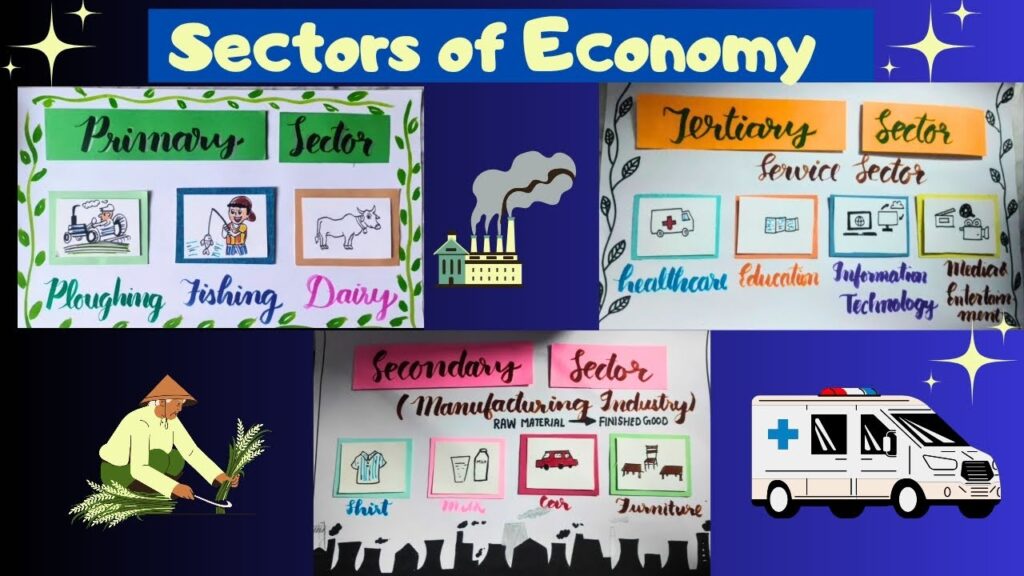
Economic activities are grouped into three broad sectors based on the type of work:
- Primary sector: Uses natural resources directly (e.g., farming, fishing)
- Secondary sector: Converts raw materials into finished goods (e.g., factories, manufacturing)
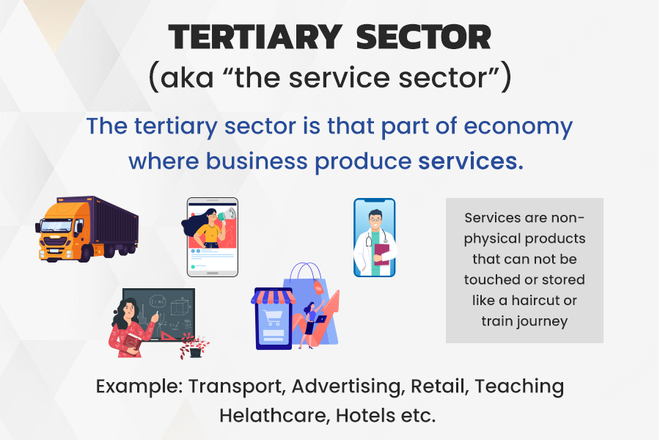
- Tertiary sector: Provides services that support the other two sectors (e.g., transport, banking, healthcare)
2. What differentiates these activities to be grouped into sectors?
The main difference is the nature of the activity:
- 🌱 Primary: Involves collecting resources from nature
- 🏭 Secondary: Involves processing or making goods from raw materials
- 🚛 Tertiary: Involves providing services to help goods reach people
3. How are the three sectors interconnected?
Each sector depends on the others:
- The primary sector provides raw materials
- The secondary sector makes products from them
- The tertiary sector transports, sells, and supports these activities
📊 The Three Economic Sectors
1️⃣ Primary Sector 🌱
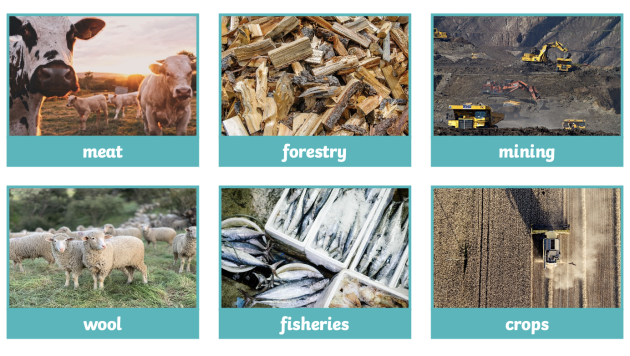
Nature’s gifts: Jobs taking resources directly from Earth
2️⃣ Secondary Sector 🏗️
Making things: Turning raw materials into products
3️⃣ Tertiary Sector 🛒
Helping others: Services that support primary & secondary
🥛 Story Time: How AMUL Connects All Sectors
Step 1: Milk Collection (Primary)
Farmers milk cows 🐄 in Anand, Gujarat
Step 2: Processing (Secondary)
Milk → Butter/Cheese in factories 🏭
Step 3: Selling (Tertiary)
Trucks 🚛 deliver to shops near you!
🌟 Did You Know? AMUL is a cooperative – owned by farmers themselves!
📚 How Your Textbook is Made
1. Primary: Cutting trees for wood pulp 🌲
→
2. Secondary: Making paper in factories 🏭
→
3. Tertiary: Transporting to schools 🚚
♻️ Eco Tip: Recycling 1 tonne paper saves 17 trees!
📝 Textbook Questions & Answers
1. What is the primary sector? Give two examples.
Answer: Activities taking resources directly from nature:
- 🌾 Farming (growing wheat/rice)
- ⛏️ Mining (digging coal/iron)
2. How does secondary depend on tertiary sector?
Answer: Secondary needs services like:
- 🚛 Transport: Moving factory goods to markets
- 🏦 Banking: Loans to buy machines
3. Show interdependence with a flow diagram.
Answer: Cotton example:
🌿 Cotton farming (Primary)
↓
👕 Making shirts in factory (Secondary)
↓
🛍️ Selling in malls (Tertiary)
🔍 Let’s Explore!
🛒 Neighborhood Economic Map
Task: List 10 local businesses and classify them:
| Place | Sector |
|---|---|
| Vegetable Market | Primary 🌱 |
| Bakery | Secondary 🏭 |
🎯 Conclusion
All three sectors – Primary (farmers), Secondary (factory workers), and Tertiary (shopkeepers) – work together like puzzle pieces to make our economy! 🧩